

By Elliott Brack,
Editor and Publisher, GwinnettForum
JULY 15, 2025 | The fjords of Norway are not as I had thought. We recently enjoyed a cruise there.
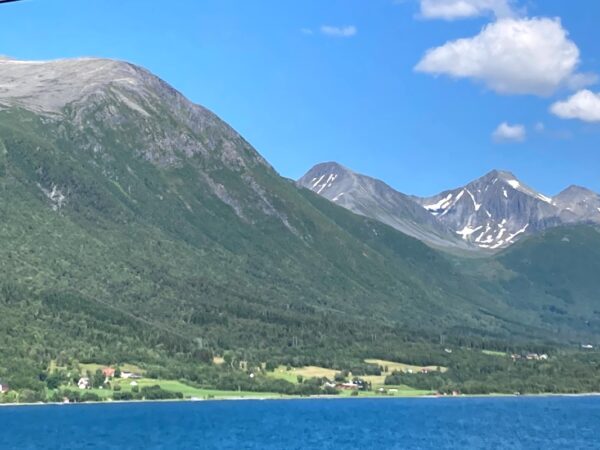
I had imagined that fjords were long rivers emptying into the sea, with steep mountains around, a creation of the Ice Age, which gorged out deep cracks in the rocks, opening up the seas to roam deep into the land.
 But it is not like that. Think of Norwegian fjords as something like Lake Lanier Islands, all within a body of water. One description: “A fjord is a deep, narrow and elongated sea or lake drain, with steep land on three sides. The opening toward the sea is called the mouth of the fjord, and is often shallow. The fjord’s inner part is called the sea bottom. If the geological formation is wider than it is long, it is not a fjord. Then it is a bay or cove.
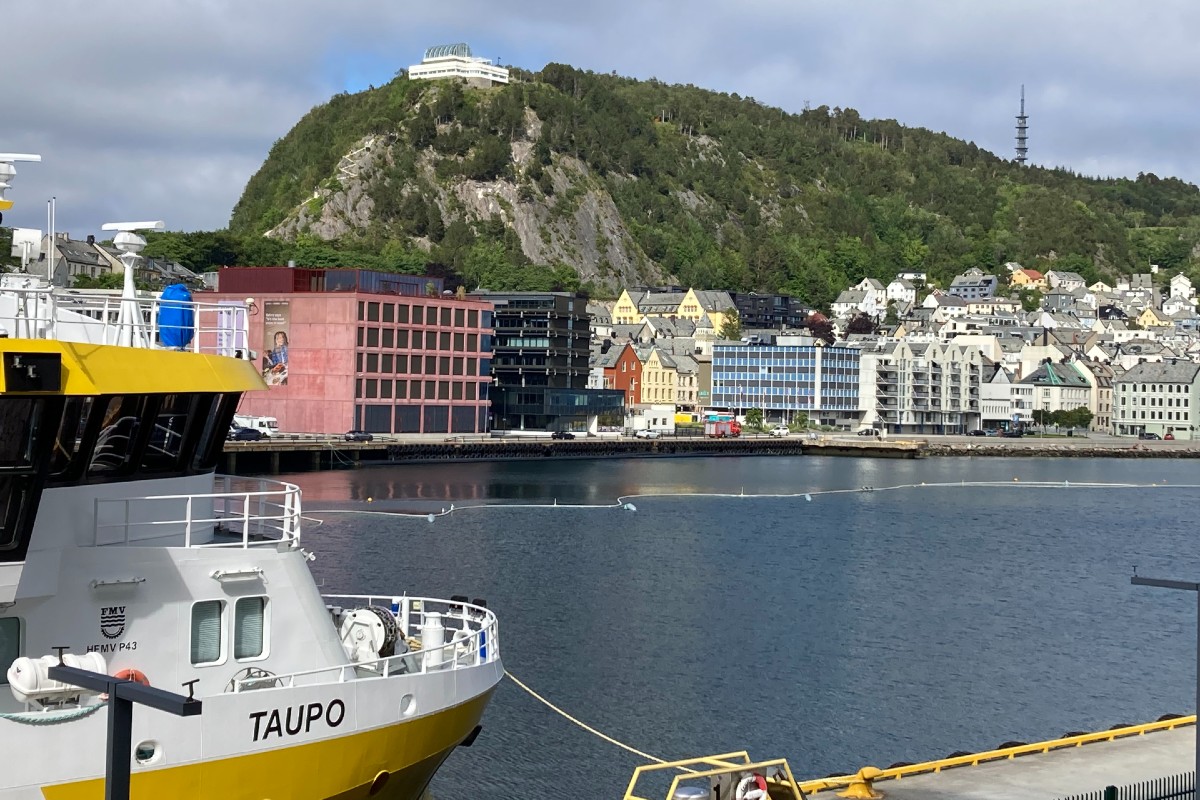
The fjords give you a sense of peace, with towns situated on the land around them. We were on a seven day cruise on the Silversea’s Silver Dawn, along with about 526 other visitors. We were lucky and had good weather every day (except for one foggy day when at sea), and visited five ports, where we could get off ship and explore the towns and countryside with bus trips to the sites, or go on hikes, or shop. The daytime temperatures were between 58 and 75 degrees, with lots of sunshine. The week before, it rained every day on the cruise. The humidity was always low.
The inland ports we visited included Andalsnes, Trodheim, Alesund, Olden and Kristiansand. We sailed from Bergen, after a flight from Copenhagen, Denmark. We visited the cities during the day, and cruised at night to the next port, arriving about 8 a.m. The seas were calm, and you seldom felt any ship movement. Our flight home was from Copenhagen.
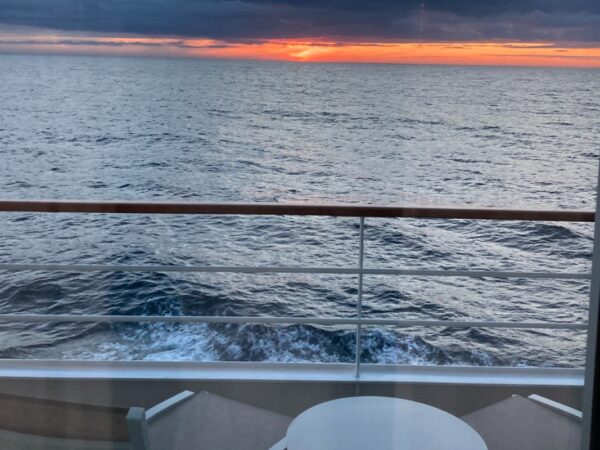 Sunset this night was at 1:17 a.m.
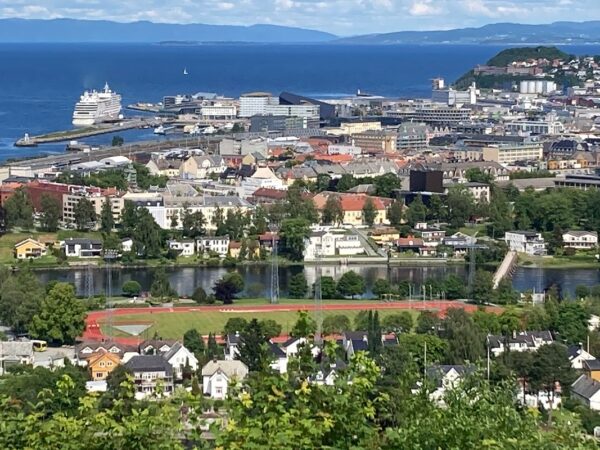
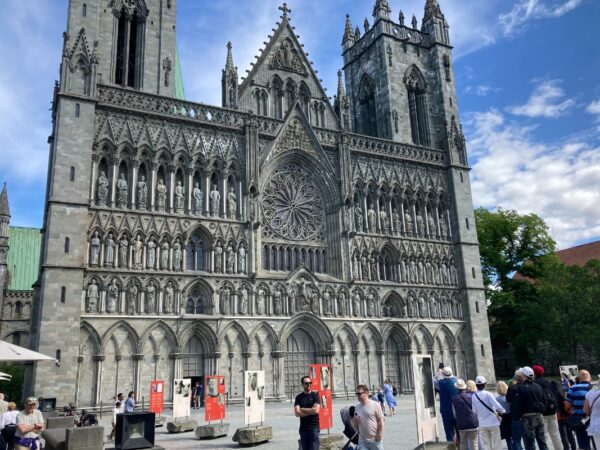
While Alesund and Kristiansand are coastal, Trodhein was the most distant town from the sea….some 81 miles inland. It is also the key technical city of Norway, with a population of 212,000 citizens, of whom 20 percent are students.
In every port, the mountains rose around you, some reaching 5,000 feet. It was awe-inspiring and beautiful. When in Olden, we were told the Norwegian king, Harald V, who is 88, was nearby in a boat wearing a red cap at his favorite sport, fishing for salmon. (We never saw him.)
The biggest surprise: knowing little about Norway, we were amazed at its extensive road system, mostly paved two-lane roads. Even on the secondary roads, Norway often tunnels through mountains to save mileage and time. From the ship, you could see cars driving along the coast, which would suddenly disappear into tunnels, emerging sometimes a mile or two afterward. Think of the cost of building such roads, even on the most remote islands among the fjords! But Norway is a rich country, with high taxes, and gains tremendous revenue from North Sea oil exploration.
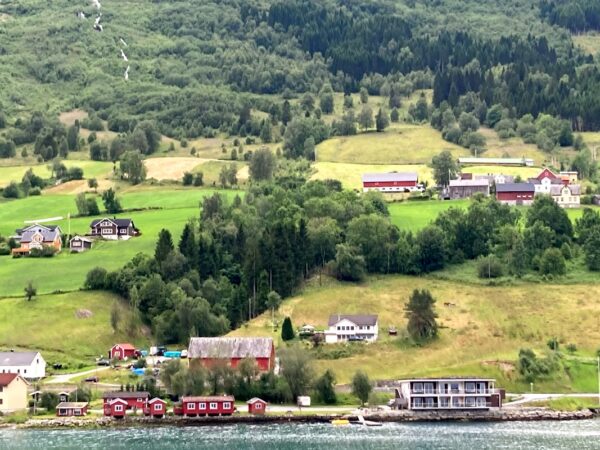
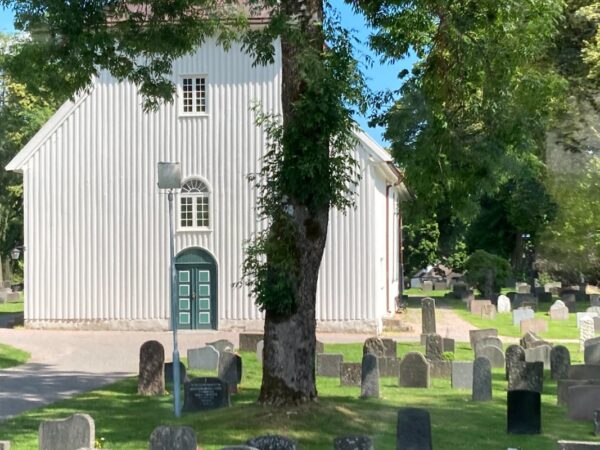
Perhaps 90 percent of the houses in Norway are painted white. White paint was the most costly in time past and today and is made from fish oil combined with zinc. The cheaper paint is red, from fish oil and iron oxide. White houses are more prestigious than those painted dark red.
We were told to pack clothing for rain and cold, which we did…but never used. It made our luggage heavier, but we didn’t have to use that gear.
Norway and the fjords: now much more understandable!
- Have a comment? Click here to send an email.
