

By Oudai Abouassaf
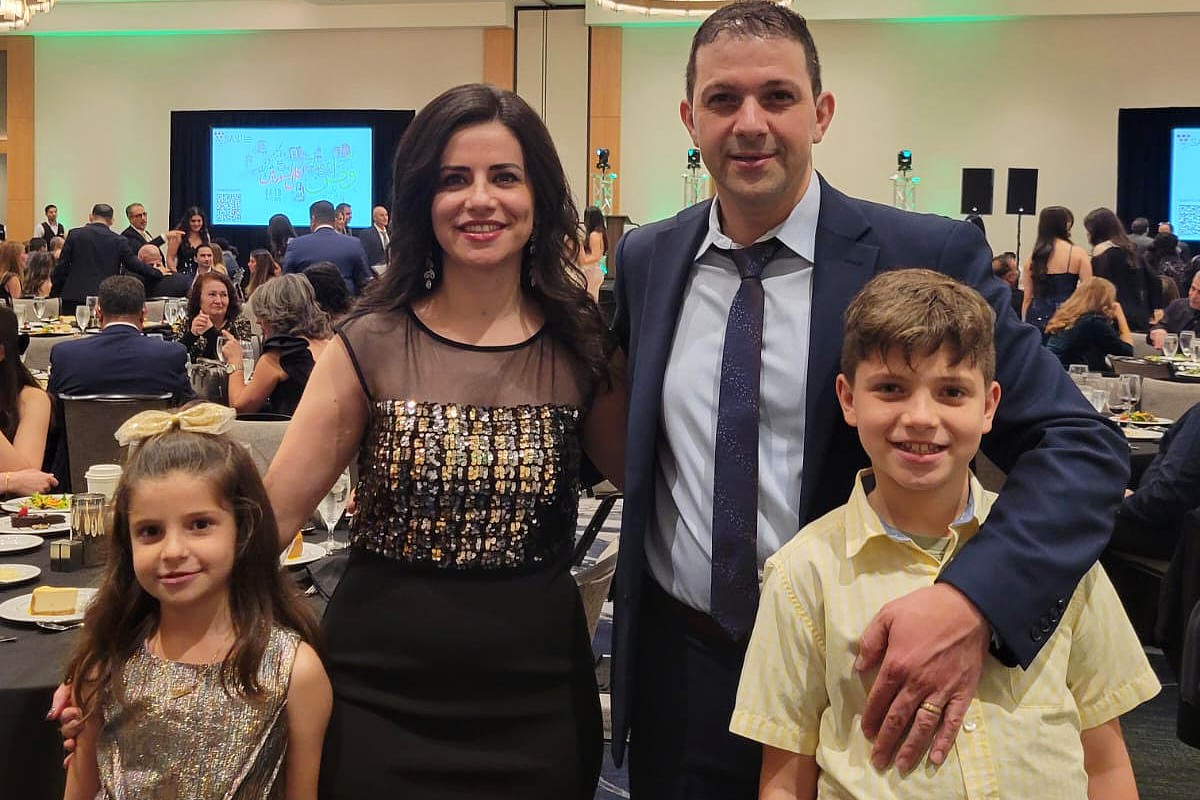
SUWANEE, Ga. | At age 7, I emigrated from Syria to the United States, first landing in Cicero, Ill., to join his father and uncle who were here. After college at University of Illinois at Chicago studying economics and political science, I worked for the Department of Defense. In 2011, I married my wife, Enas, whom I met during a visit to Syria. My business of importing furniture led us to settle in Georgia in 2019 with our two children, Layt, 10, and Lana, 7.
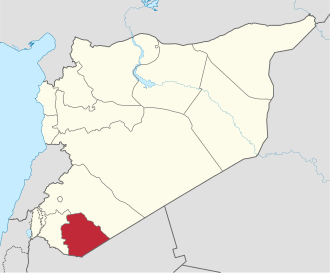
In July, Enas visited her family in the province of Sweida near the Jordan border after eight years away, believing it was safe, following positive political developments. What was meant to be a peaceful summer visit quickly became a nightmare.
On July 13, the only lifeline to Sweida—the road to Damascus—was shut down by government forces. Within hours, government troops were let into the city to protect civilians, or so they claimed. Instead, two massacres occurred instantly, killing over 30 people. Soon, Bedouin militias, backed by the government, swept through neighborhoods, looting, burning homes, mutilating bodies and destroying families. Horrific videos and stories flooded social media.
Enas, our children and her parents sheltered in their three-story home as tanks rolled nearby and ISIS snipers occupied rooftops, targeting anyone not in government militia uniforms or Bedouin attire. Gunfire was relentless. Twice the family started to flee but were forced back by sniper fire and missiles.
On July 16, ISIS fighters backed by government forces returned with greater brutality. They knocked on every door—each knock signaling death. Enas and the children heard them outside, saw them through windows and waited their turn to die. By pot luck, the house where Enas’ family was not raided.
I reached Amman, Jordan, on July 14, desperately seeking a way to bring my family to safety. Phone calls became lifelines. My daughter’s voice telling me there wasn’t enough food or that bombing was too loud to sleep still haunts me.
One call stands out: a heavy machine gun bullet pierced the wall where my father-in-law had been sitting moments before. Miraculously, he had moved and survived. Enas shielded our children with unwavering courage. I often joked about her stubbornness—she proved it by holding us together under unimaginable pressure. Her voice trembled, yet she comforted the children fiercely. I masked my own fear to give her strength, and together, we endured each hour.
Despite desperate efforts—pleading with officials, mobilizing aid—safe passage remained distant. The siege tightened, and those terrorizing my family controlled the city. The world seemed silent.
On their third escape attempt on July 17, they fled to the village of Al Kafir, about 25 minutes away, staying a few days, but then returning to their home in Sweida. On the way, they saw streets strewn with desecrated bodies, mass murders, decapitations, and burning homes.
But even when the world was silent, God was watching. Eventually, they found people who they could pay to take them to a safer place, and on July 29 crossed into Jordan.
Enas shared moments of profound fear: recording a farewell message she never sent to keep my spirits high; the kids hiding under the bed during bombings; sheltering on the bathroom floor with a blanket her mother brought, a small comfort amid terror.
This is more than a family’s tragedy—it’s a story of resilience amid barbarism.
My children’s fear will not be forgotten. Their survival fuels my resolve to fight for justice and ensure the world never forgets Sweida.
- Have a comment? Click here to send an email.
