

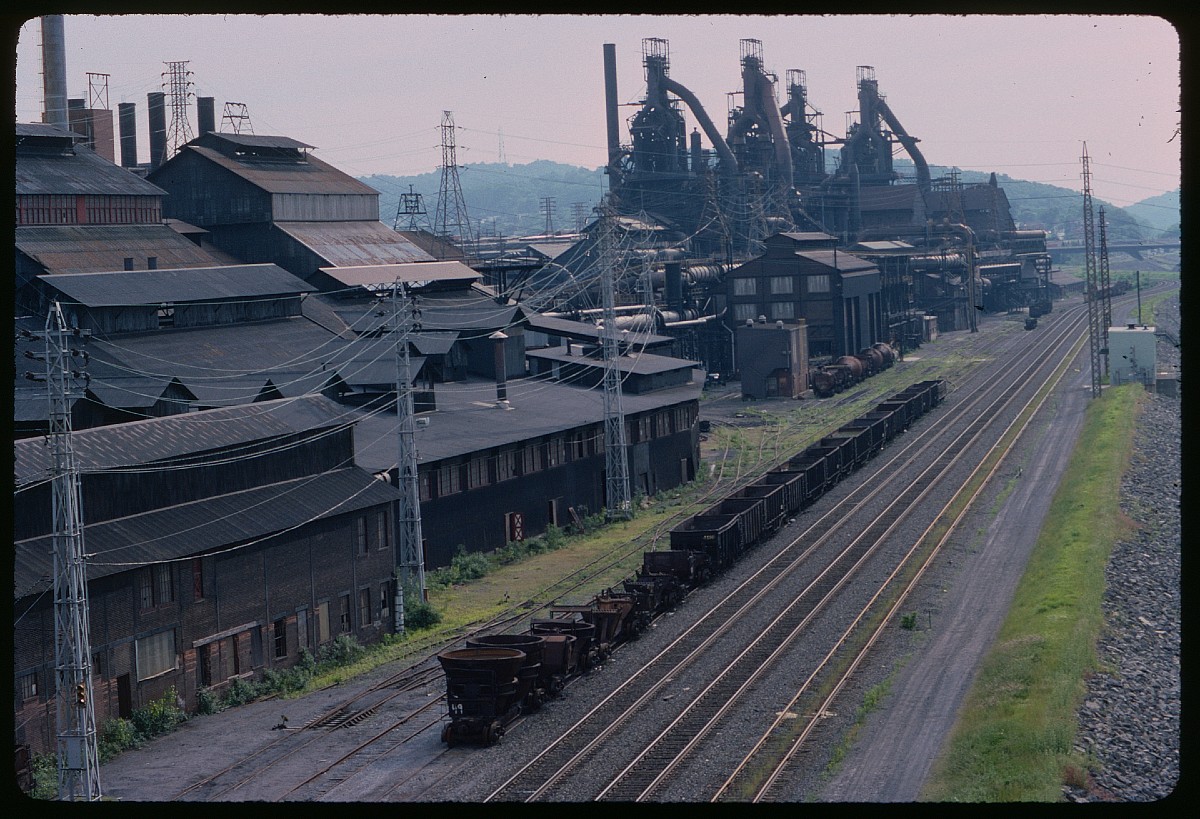
There’s a particular reason to print this Mystery Photo in this issue. See if you can figure out this mystery, and submit your entry to ebrack2@gmail.com, and tell us your hometown.
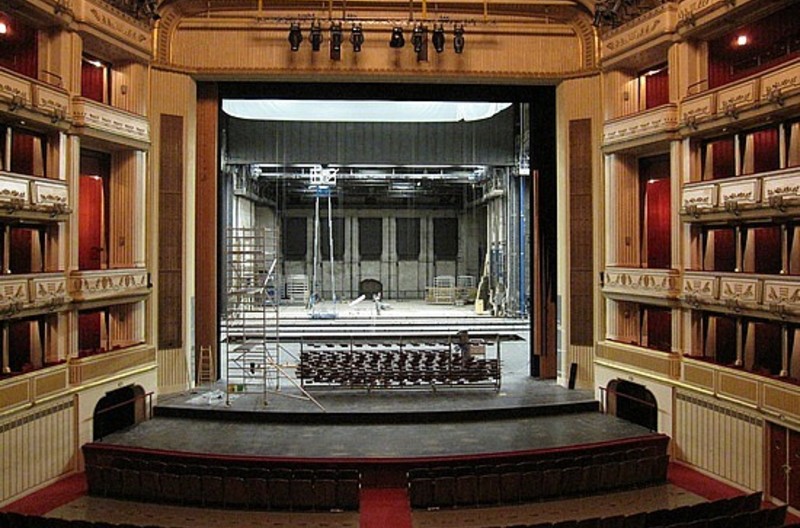 Ruthy Lachman Paul of Norcross wrote of the previous mystery: “Like many buildings in Vienna, this opera house was built for the pleasure of the Habsburg family that ruled Austria. It was initially called the ‘Royal Opera House’ and after the fall of the monarchy and the establishment of the Republic of Austria, its name was changed to the Vienna State Opera House. The Second World War period was devastating for the opera house. Between 1938 and 1945, the Nazis ruled Austria and as a result, many artists were dismissed from their positions, persecuted and some were even murdered. The Nazis banned many performances and damaged the functioning of the opera house.
“Today, the Vienna State Opera is considered one of the best opera houses in the world. Each season, there are no fewer than 350 performances, presenting about 60 ballets and operas in various styles from the Baroque period to the present day, presented almost every night of the week. My first visit to the Vienna State Opera (Wiener Staatsoper) in 1980 was a unique experience. There was also the famous New Year’s Concert with the Vienna Philharmonic and marked the beginning of a new era with conductor Laurin Maazel.”
Others recognizing it include Dick LoPresti, Berkeley Lake; Holly Moore, Suwanee; Susan McBrayer, Sugar Hill; Jay Altman, Columbia, S.C.; George Graf, Palmyra, Va.; and Allan Peel of San Antonio, Texas.
Chuck Miller of the Southeastern Railway Museum, Duluth, who sent in this photo, is quite familiar with the opera house, since he worked there. “The view of the Vienna Opera House is being set up for the Vienna Jazz Festival. I managed the production of the event for decades.”
Peel adds: “The Vienna State Opera was the site of the world’s longest-standing ovation. This occurred on July 30, 1991, after a performance of Otello by the Spanish opera singer and conductor, Plácido Domingo (1941 – Present). It lasted for an incredible 80 minutes and included 101 curtain calls.”
- SHARE A MYSTERY PHOTO: If you have a photo that you believe will stump readers, send it along (but make sure to tell us what it is because it may stump us too!) Click here to send an email and please mark it as a photo submission. Thanks.
