

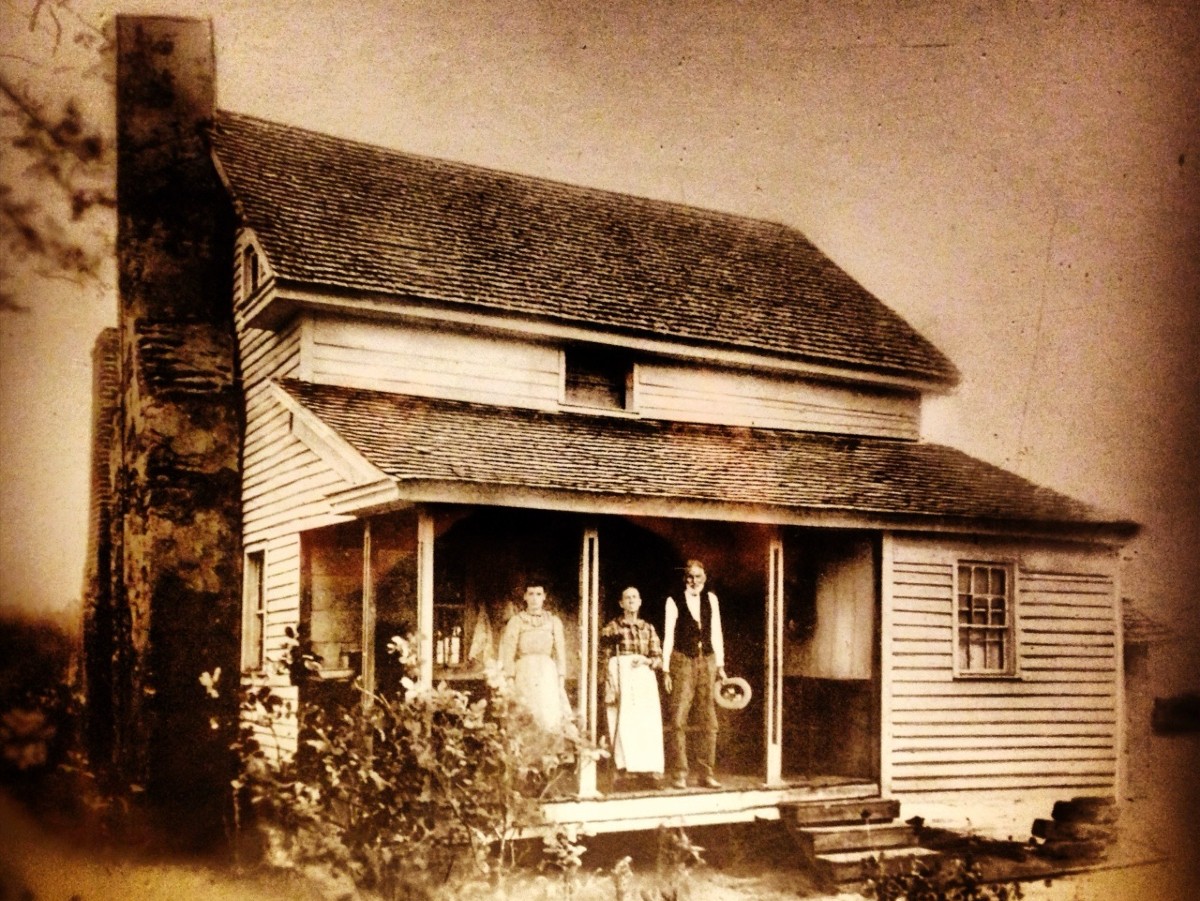
(Editor’s note: Ever ride down East Liddell Road heading for Amazon’s warehouse or Costco? Ever know what that road was named for? In that case, read on. Michael Perry Green is a descendant of William Liddell and the seventh generation born in Gwinnett County. He grew up listening to oral history as told by his grandmother, Nellie Mae Mills Liddell.)
By Michael Green
MILTON, Ga. | Sarah Catherine Duncan Liddell, known as Sallie, was a formidable, strong-willed woman who not only kept the family farm intact in economic hard times, but added considerable acreage to it after her marriage into the Liddell family.
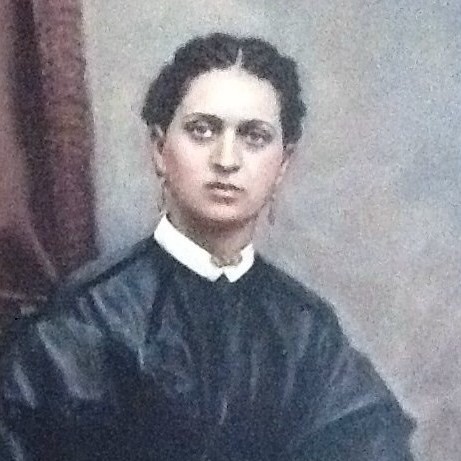
William Liddell, the great grandfather of her new husband, had settled on former native American land in the newly-formed Gwinnett County. As a Revolutionary War veteran, he had received acreage after the Land Lottery of 1818.
The Liddells lived in a farmhouse of hand-hewn logs built in 1840. This house was situated near Bromolow Creek, a tributary of Beaver Ruin Creek, and present-day West Liddell Road.
After Sallie married Moses Frank Liddell, she added many acres to the original land grant. She inherited land from her father and purchased land from her brothers. This added property was called the Upper Place and lay between Norcross and Duluth in the Pittman Circle community. The land was bordered by the Southern Railroad. Howell’s Crossroads was renamed Duluth after the tracks were complete in 1870. The tracks bordered the original Duncan family property; it was bisected by a road that would become U.S. Highway 23, now commonly known as Buford Highway.
At 49, she was widowed. Her son, Daniel was 19 and remained at home. Management of a large agricultural property became her responsibility. Through the economic hardships of the reconstruction years, the boll weevil devastation, World War I and the Great Depression of 1929, she kept the 500+ acre Liddell farm intact. In addition to producing cash crops, she provided housing and life necessities to numerous white and African-American sharecroppers and their families. Some sharecroppers were descendants of enslaved people.
An often-told story is that she “commanded” her younger son to find a wife by courting a young woman and cousin, Nellie Mae Mills, who lived on a neighboring farm. Just 19 years old, Daniel would drive a shiny black surrey at high speed over the dirt roads in the countryside. The young cousin was 14 (born 9/14/1895). Though young even for those times, she had been vetted by the matriarch and deemed to have the leadership qualities necessary to help manage the farm. Nellie Mae and Daniel were married September 25, 1910. Two weeks later she was 15 and helping manage a large farm.
Years later, Sallie’s grandchildren, Moses Frank Liddell and Charlotte Liddell Green, remembered family tales from Granny Liddell, the matriarch. They related her stories of Union raiding parties that stripped the Liddell farm of food supplies and items of value during the 1864 Battle of Atlanta. These stories are still being shared with new generations in the 21st century.
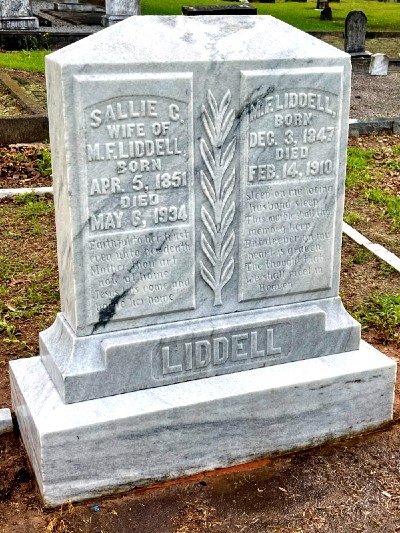
My wife and I were riding by Sweetwater Memorial Chapel a few months ago and stopped to take a look at the cemetery. I was surprised to see that the death date on my great-grandmother’s tombstone had never been carved. The unfinished tombstone nagged at me. I searched my long-stored papers. I looked at old volumes of published Gwinnett County history. I bought Elliott Brack’s Gwinnett history book. I read and discovered that my great grandmother had left behind a story of female empowerment that could be told and appreciated by new generations. I wrote the story and had her marble monument completed.
- Have a comment? Click here to send an email.
