

By Rebecca Shelton
Director, Gwinnett Water Resources Department
LAWRENCEVILLE, Ga. | For many Gwinnett County residents, septic systems are a reliable and practical way to manage household wastewater. When properly maintained, septic systems are a cost-effective alternative for homes that do not have access to public sewer infrastructure.

While sewer service is often viewed as the gold standard, expanding sewer into existing septic neighborhoods comes with significant financial and practical challenges. The cost of converting a home from septic to sewer can exceed $60,000 per home for the public county infrastructure. Extending sewer to more than 74,000 homes and businesses across the county that are currently on septic would cost the county nearly $5 billion.
Additionally, homeowners typically face $14,000 or more in private costs to abandon their septic tank and connect their home to the sewer system. For comparison, replacing a failing septic system costs up to $20,000 for an average home. After paying to connect to sewer, homeowners then take on a new recurring sewer expense. The average sewer bill in Gwinnett is about $60 per month.
Sewer installation in established neighborhoods is also highly disruptive. Sewer lines may be installed up to 20 feet deep, frequently running through the middle of residential streets. This depth creates challenges for maintaining traffic flow and ensuring safe access for emergency vehicles and school buses during construction. Additionally, Gwinnett’s rocky terrain often requires blasting, which is also disruptive for homeowners.
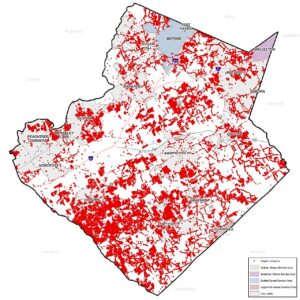
For many residents, the most practical and cost-effective choice is to properly maintain their existing septic system. Routine maintenance typically costs only a few hundred dollars every few years. This maintenance can prevent costly repairs or system failures down the road. This small investment can save homeowners thousands of dollars over the life of the system.
About 75,000 Gwinnett water customers are on septic and about 205,000 Gwinnett water customers are on sewer. So about 27 percent of Gwinnett water customers are on septic.
We provide water service to the entire county except Buford, Braselton, Loganville, and Auburn.
Septic systems, when maintained correctly, remain a safe, reliable, and financially sound option for many Gwinnett County households, protecting both individual homes and the broader community. Maybe in the future a more cost-effective technology will be available to convert homes from septic to sewer.
- Have a comment? Click here to send an email.
