

By Michael Green
(Third in a series)
MILTON, Ga. | Sallie Duncan Liddell was widowed 150 years ago. Undaunted, she realized that managing a farm of 500 acres required equal parts of luck, clever thinking, and hard physical labor. Could one woman have the ability to keep the farm from utter ruin in 1870?

Was the family in the right place at the right time financially? Perhaps. Land fronting major transportation hubs such as a railroad, eventually a major interstate highway, and an important artery of commerce, made the farmland valuable. The land of the farm established in 1820 evolved into a major area sought after by major international companies. Its current inhabitants are a melting pot of people from around the world.
When the Eisenhower initiative created the Interstate Highway system in the 1950s, it provided a lucky break not just for the Liddells, but most certainly for many others in Gwinnett County. Dan Liddell did not farm after World War II.
In the 1950s, the Liddell farm became profitable in unique ways. The land produced crops of cash. Many of Dan Liddell’s acres became right of way for Interstate 85. More acres were lost in the next decade as another road ate up a good bit of his land. He called it “Politick Road,” and it is essentially today’s Satellite Boulevard.
He found that an electric company, Georgia Power, would pay for land easements. Enormous towers to carry high voltage transmission lines would cross his land. There were other sources of income, as well. Representatives from companies such as Turner Outdoor Advertising sought land fronting I-85 for giant billboards. Dan did not live long enough to see a major commercial hub, Gwinnett Place, change the future of Gwinnett County. He would not, and certainly the Matriarch would not, have recognized their roles in the remaking of Gwinnett County.
The Gwinnett Place Community Improvement District (CID) has been established in close proximity to the former Liddell farm. It promotes and encourages businesses in the area and promotes a safe environment for the people who live, work, and enjoy life in the nearby environs of the old Liddell farm.
Would a 19th century Liddell recognize the live-work community that the farm has become? Hardly, although there are some parallels to consider in 2026.
Sallie Duncan Liddell knew that she and her young son must ensure that the people who share-cropped her farm have shelter and food. These individuals and their families required a safe and secure environment. She provided this as she managed the farm that had become her challenge. From 1870 until her death in 1934, she maintained a successful place for those living within her acreage, including the descendants of enslaved people who lived there and depended on the land.
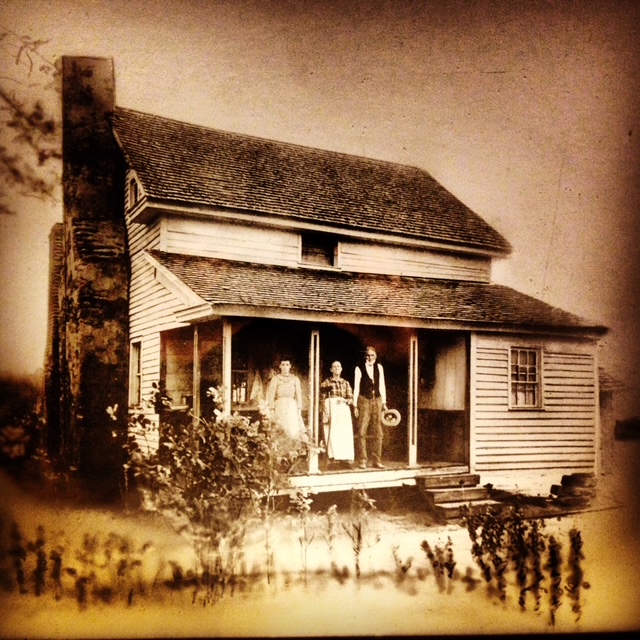
Today, giant world-class companies such as Amazon and Costco occupy the site of the 1840 Liddell House. Gone forever is the old home place, as well as swept paths with white clay-washed fieldstones, ornamental flower gardens, an avenue of towering elms, and a spectacular persimmon tree.
- Have a comment? Click here to send an email.
