

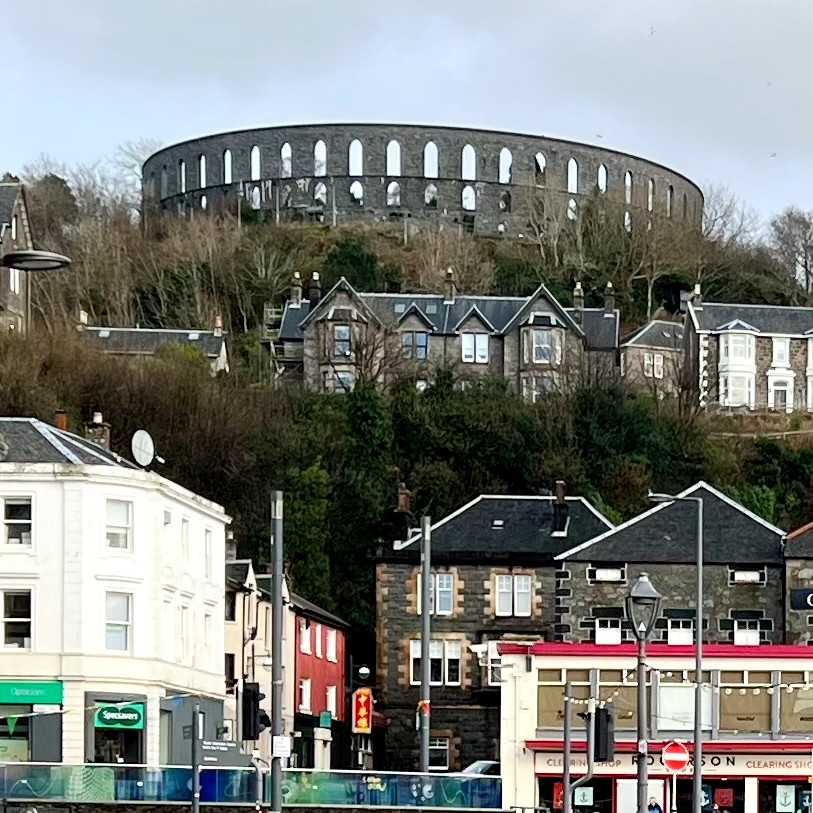
When you are in this area, you often look up to check out this landmark. See if you can determine where this photograph was taken. Send your idea to ebrack2@gmail.com and tell us your hometown.
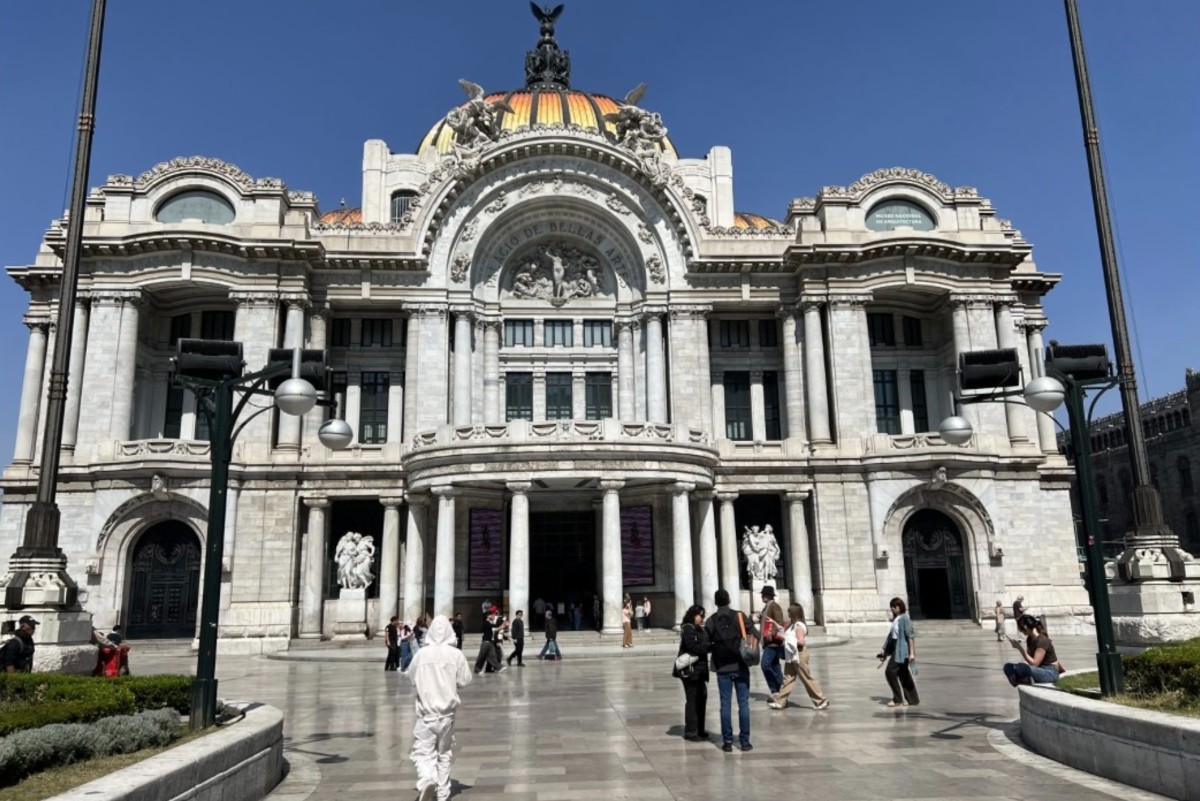 Jay Altman of Columbia, S.C. recognized the last mystery. “The Palacio de Bellas Artes (Palace of Fine Arts) is a prominent cultural center in Mexico City. It hosts performing arts events, literature events and plastic arts galleries and exhibitions (including important permanent Mexican murals). “Bellas Artes” for short, has been called the “art cathedral of Mexico”, and is located on the western side of the historic center of Mexico City which is close to the Alameda Central park.” The photo came from Sharon LeMaser of Decatur, via Susan McBrayer of Sugar Hill.
Also recognizing this mystery were George Graf of Palmyra, Va.; Stewart Ogilvie, Reheboth, Ala.; and Allan Peel of San Antonio, Texas, who told us:
“The Palacio de Bellas Artes, is clearly marked and legible on the main arch under the dome, and above the central statue of Apollo, the Greek god of music and arts. Located in the historic center of Mexico City, it is often called the ‘Art Cathedral of Mexico,’ and is one of the most prominent cultural centers in the country.
“The Palacio serves as a multi-use cultural venue that houses the National Theater, the National Museum of Architecture, and the Museum of the Palace of Fine Arts. It is most famous for its permanent collection of massive murals by legendary artists like Diego Rivera (1886–1957), David Alfaro Siqueiros (1896–1974), and José Clemente Orozco (1883–1949). It also regularly hosts the Ballet Folklórico de México and the National Symphonic Orchestra.
“Originally intended to replace the demolished National Theater in time for the 1910 centennial of Mexican Independence, construction began on October 1, 1904. However, construction was halted in 1913 due to the outbreak of the Mexican Revolution and technical difficulties caused by the building sinking into the city’s soft subsoil. In an attempt to slow the rate of descent, four heavy Pegasus statues that were originally installed on the palace’s roof were moved to the surrounding plaza. After relocating the final statue, construction began again in 1932 and the palace was inaugurated on November 29, 1934.”
- Share a Mystery Photo: If you have a photo that you believe will stump readers, send it along (but make sure to tell us what it is because it may stump us too!) Click here to send an email and please mark it as a photo submission. Thanks.
