
GwinnettForum | Number 25.100 | Dec. 30, 2025
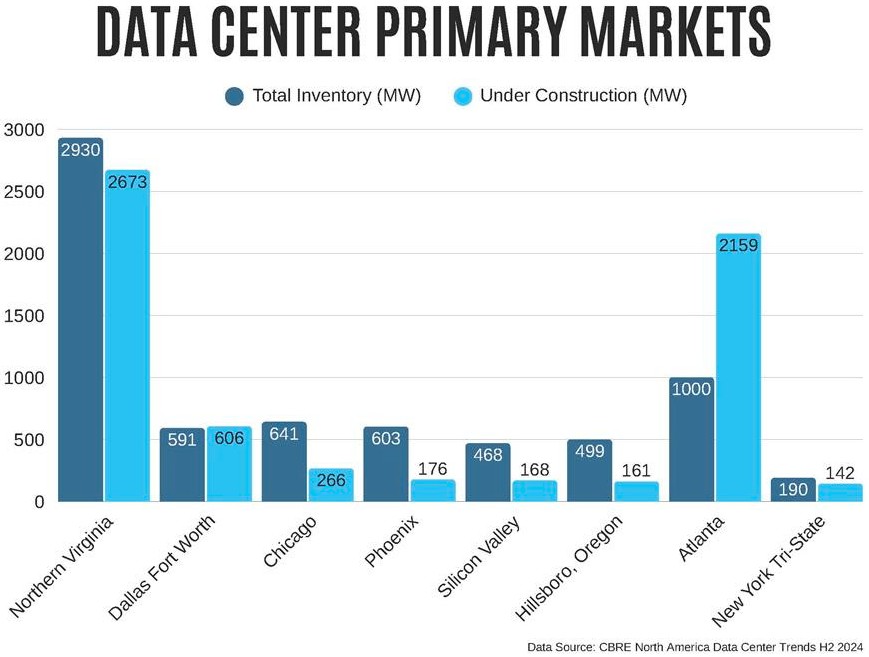
THE HOT TOPIC TODAY is the surge in data centers across the U.S. Atlanta and Georgia may be ground zero. This information was compiled by Frank Norton of Gainesville, a Realtor, who today writes about homes around lakes in North Georgia in Today’s Focus below.
TODAY’S FOCUS: The evolution of North Georgia lake real estate
EEB PERSPECTIVE: Remembering ice and coal companies of yesterday
SPOTLIGHT: Georgia Gwinnett College
FEEDBACK: Once again, two wrongs don’t make a right
UPCOMING: Need a front yard tree? It could be free for you
RECOMMENDED: Belgravia, a TV mini-series by Julian Fellows
GEORGIA TIDBIT: W.C. Bradley’s career coincides with rise of the South
MYSTERY PHOTO: Does this wooden table help identify today’s mystery?
CALENDAR: Riley speaks in Snellville Jan. 10
The evolution of North Georgia lake real estate

By Frank Norton
Norton Real Estate
GAINESVILLE, Ga. | In North Georgia, there are three kinds of public lakes you could classify:
- The Georgia Power lakes: Lakes Burton, Rabun, Seed, Tugalo, Tallulah Falls Lake, Yonah and Oconee;
- The TVA lakes: Blue Ridge, Nottely, Nickajack, Chattuge, Chickamauga; and
- The Corps of Engineer lakes: Lake Lanier, Allatoona, Hartwell, Carters and Lake Russell.

The evolution of real estate and the lakes revolved around power. Lake Rabun was first. It was built in 1915 by the predecessor to Georgia Power. A little-known fact is they paid $15 per acre for land under Burton, most likely Rabun and Seed. Lake Seed was built in 1927 and to clear the land workers were paid 50 cents a day. Today, Lakes Burton, Rabun and Seed have some of the highest-priced real estate in the Georgia.
Lake Lanier originated as a WPA project. The reason it has such varying shoreline distances is because they took aerial photographs in the 1930s, and some of those may have been blurry, so they used straight lines. The project was put on hold until after World War II. They bought 58,000 acres around Hall, Forsyth, Dawson, Lumpkin and Gwinnett counties, paying an average of $50 per acre. Lake Lanier reached full pool in 1958 and was intended mainly for power and flood control of the Chattahoochee. Shortly after, folks recognized the recreational aspects of the lake. My father and grandfather sold some of the first lakefront lots for $2,500 per acre. Since that time our firm has sold more lake property than any other.
Lake Lanier was a “second home” market at first, mostly from Atlanta, but the farmers were still farming. By the 1970s, 80 percent of Lake Lanier were second homes but only 20 percent were full-time residents, mostly in south Hall County, some in the city of Gainesville, and north Hall County. Forsyth and Dawson counties were called a “cottage market.”
Living on Lanier wasn’t a major factor until late 1988, That’s when BellSouth merged our phone area code with Atlanta’s 404 and 770, creating seamless calls. With that one decision, Lake Lanier truly became part of Metro Atlanta, allowing people to call their next-door neighbor with a different area code, or call their friends within the perimeter, without long-distance tolls. In the following 10 years, we saw a dramatic migration of folks from Atlanta, and the calculations shifted. Fast forward, we now have 80-20 percent full time residents.
In those 30 years, we started seeing major lake community developments and shrinking farms. Some may even remember there were mobile homes dotting the shoreline of Forsyth and Dawson counties. Those have all gone away.
Boat docks were capped by the Corps of Engineers at 10,615 – which means if you don’t have one, you’re never going to get one or you can be on a waiting list of hundreds of people. In 2015, a house on Lake Lanier traded at $9.5 million. That’s one of those houses that has everything but a gift shop. And then in 2025, we saw a house trade at $5 million.
Lake Lanier also provides huge tax revenue. People don’t understand that because of the tax revenue of Lake Burton, Rabun and Seed, Rabun County has great schools and a strong county budget. These taxes are paid by the people who live elsewhere and vacation in Rabun. They don’t borrow library books, rarely have a fire emergency and are small users of services.
Lake Lanier is still the most visited man-made lake in the United States – but not the largest in Georgia. That would be Clark Hill. Blue Ridge and Hiawassee are vibrant economies because of the lakes and, of course, Rabun, Seed and Burton have been a strong part of the recreational and attractiveness of the North Georgia Mountains.
Today over 50 percent of the homes on Burton/Rabun and Seed now sell for over a million dollars. We’re projecting that 60 percent on Lake Lanier will be over a million dollars.
- Have a comment? Click here to send an email.
Remembering ice and coal companies of yesterday
By Elliott Brack
Editor and Publisher, GwinnettForum
DEC. 30, 2025 | In many cities around the country, there once were local operations known as “ice and coal” companies. While the juxtaposition may sound awkward, there was a reason for this name: the weather.
 These companies manufactured and sold ice throughout the year, though the summer months were monumental in sales. But with the sale of ice tailing off in the winter, often to restaurants, these firms turned to selling coal for heating homes and businesses in the winter.
When growing up, I distinctly remember the Macon Ice and Coal Company, which was located beside the Ocmulgee River at the Fifth Street Bridge.
The ice was manufactured there in huge blocks, and it was distributed to homes and businesses throughout the city. There were “ice routes,” where most homes had standing orders for the delivery to their kitchens which then had no refrigerator, but “ice boxes,” partially insulated wooden units where the ice kept the food cooler, especially during the summer months, but year-around, too.
The ice was placed in a metal lined box(with door) at the top left. This compartment had a small hole for the melting ice to drip into a pan below. You had to periodically empty that pan, or else you had water on the floor from the pan overflowing.
On the right side of this box was where milk, meat and other groceries were kept cool.
These ice men, armed with ice picks, would come by (if I remember right) twice a week. They would chop off the size of the block you ordered (ten or 15 cent block, depending on the size of your ice box), and deliver to your ice box, even if you were not home. That was back when people didn’t routinely lock their doors.
The ice route was their major summer job, but also extended into the winter, on a reduced basis. But during winter, the Ice Man would load trucks with coal, and deliver this heating fuel to homes and businesses.
Homes in those days had coal chutes, where the coal was shoveled into what was usually the basement or other coal storage areas. It was hard work, as people routinely called the coal company for another delivery when their coal ran low. The homeowner would shovel coal into large buckets to fill the stoves or fireplaces with the coal to heat the houses. It was labor intensive, from delivery to use. Today’s modern “no touch” heating systems would seem a marvel to people used to coal in olden times.
Another vignette I remember about the ice house. My mother belonged to a country Primitive Baptist church about 35 miles from Macon, and this church met on the fourth Sunday of the month. (My mother attended other Primitive Baptist churches the other Sundays.)
When there were meetings with periodic “dinner on the grounds,” my father, who was not a member of a church, would routinely voluntarily stop by the ice plant for a block of ice, which was loaded into a wash tub in the trunk of the car. This would provide coolness for the tea, lemonade or water at the always loaded-down outdoor food tables at dinner. On hot summer days, that was mighty refreshing.
Ice and coal companies and dinners-on-the-grounds: remembering times past.
- Have a comment? Click here to send an email.
Georgia Gwinnett College
 The public spiritedness of our sponsors allows us to bring GwinnettForum.com to readers at no cost. Georgia Gwinnett College (GGC) is a public, four-year college that provides access to targeted bachelor’s degrees that meet the economic development needs of the growing and diverse population of Gwinnett County and beyond. GGC students benefit from innovative technology and immersive opportunities where they apply what they learn. GGC’s exceptional faculty and staff serve as mentors and advisors to enhance students’ academic, social and personal development. GGC students graduate ready to make a positive impact locally and globally. GGC offers 21 bachelor’s degrees and serves more than 12,000 students. GGC is where students can find their place, passion and purpose. Visit Georgia Gwinnett College’s website at www.ggc.edu.
- For a list of other sponsors of this forum, click here.
Once again, two wrongs don’t make a right
Editor, the Forum:
 It is said that two wrongs do not make a right. This is true with the Israeli-Palestinian conflict. Israel is wrong for its ultra conservative, militaristic destruction of the Palestinian people. Not only that, the policies of the government seem to be built based on the need of Netanyahu to protect against pending criminal prosecution. This is so wrong.
The Palestinians are wrong also. For years, the people of Palestine have supported a terroristic government whose constitution calls for the destruction of Israel. The government who spent years building militaristic tunnels and secretly arming schools and hospitals to house armaments. The attacks and killings of Jews on October 6 was the culmination of evil policies of Hamas. This is so wrong.
For all those people who have chosen to side with one side or the other, you are wrong. They are both wrong.
– Alan Schneiberg, Sugar Hill
Send us your thoughts: We encourage you to send us your letters and thoughts on issues raised in GwinnettForum. Please limit comments to 300 words, and include your hometown. The views of letters are the opinion of the contributor. We reserve the right to edit for clarity and length. Send feedback and letters to: ebrack2@gmail.com.
Need a front yard tree? It could be free for you
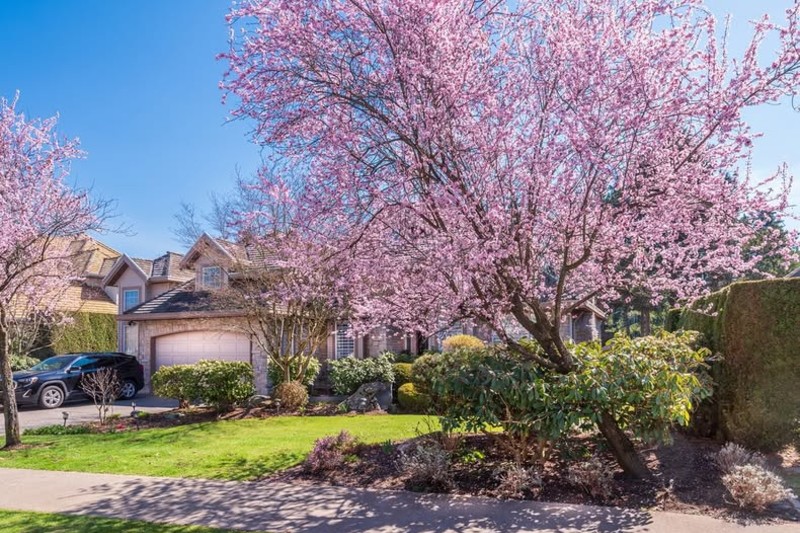
Looking to beautify your front yard? Gwinnettians in unincorporated areas may apply for the Front Yard Tree Program. The Mountain Park Homeowner’s Association tells us that homeowners may be eligible to receive two native trees of their choice at no cost. This initiative will help expand the county’s tree canopy, improve air quality, and make our neighborhoods more vibrant.
Explore tree types and more by visiting https://www.GwinnettCounty.com/FrontYardTree
Applications open Friday, January 9. To apply, go to: https://www.GwinnettCounty.com/FrontYardTree..
If approved, the county will pay and have a vendor plant the tree(s).
Wonder if your yard is a good candidate? Check out the below information!
Careful site selection is crucial when planting a tree, as the location and conditions directly affect the tree’s long-term health and can help avoid future maintenance and repair costs.
Would you like a handy checklist to help identify a planting site in your front yard?
If so, click here!
Belgravia, a TV mini-series by Julian Fellows
 From Susan McBrayer, Sugar Hill: If you’re still missing Downton Abbey and don’t mind watching a period costume drama set 100 years earlier, you can probably do no better than Belgravia. Set primarily in London in the early 1800s, this TV drama’s plot highlights the differences – and conflicts – between the British aristocracy and the rapidly growing (and sometimes wealthier) Victorian-age English middle class. The story centers around two families – one aristocratic and the other middle class – and a young man who was adopted at birth. There are teas and balls, villains and misunderstandings, and discussions about the country’s growing business climate – all set against the backdrop of the Napoleonic wars. The costumes are beautiful, the settings are splendid and the plot is suspenseful. This series has only six episodes, so the story is pretty tight and moves quickly. It was released in 2020 and is offered on multiple streaming services.
- An invitation: what books, restaurants, movies or web sites have you enjoyed recently? Send us your recent selection, along with a short paragraph (150 words) as to why you liked this, plus what you plan to visit or read next. Click here to send an email.
Bradley’s career coincides with rise of the South
W.C. Bradley was an entrepreneur, financier, and businessman whose career coincided with the transformation of the South from an agricultural to an industrial economy. Throughout his life, he initiated and managed many successful ventures and became legendary in the annals of Georgia business. In the twenty-first century the W. C. Bradley Companyremains a strong, privately held entity that continues to have an impact on Georgia. Bradley also initiated a legacy in philanthropy that has been central to Columbus, the Chattahoochee Valley, and beyond.
 William Clark Bradley was born on June 28, 1863, in Russell County, Alabama. He grew up on his father’s cotton plantations and in 1885 moved to Columbus, Georgia, to clerk in the office of Bussey-Goldsmith and Company, cotton factors. With his brother-in-law, Samuel A. Carter, he purchased the firm and expanded its work to include the sale of fertilizer and groceries.
In 1888 Bradley entered the world of banking as he and G. Gunby Jordan incorporated the Third National Bank and the Columbus Savings Bank. These banks merged in 1930 to form Columbus Bank and Trust, which is the ancestor company of CB&T Bancshares, Synovus Financial Corporation, and Total System Services Incorporated (TSYS), a world leader in third-party electronic payments processing.
In 1895 Bradley bought out his brother-in-law and reincorporated as the W. C. Bradley Company. This company expanded and took on new ventures, many of them establishing the vertical integration of the company’s products and services.
Bradley married Sarah Hall, the daughter of a Connecticut businessman who financed shipbuilding. They had a son, Forbes, who died as a child, and a daughter, Elizabeth, who became the family heir. Elizabeth married D. Abbott Turner, and the couple had three children, including William Bradley, who was tapped at the age of eight by Bradley to be the heir to leadership in the family.
In 1919 Bradley partnered with Ernest Woodruff, another businessman with Columbus roots, to develop a group of investors that purchased the Coca-Cola Company from Asa Candler for $25 million. This purchase created a relationship between Coca-Cola and the Bradley family that lasted for three generations. Bradley, Turner, and grandson William B. Turner all served on and chaired the Coca-Cola board of trustees. Bradley is also credited with securing loans that saved Coca-Cola during the sugar crisis that followed World War I (1917-18). Additionally, he served as a mentor to Woodruff’s son, Robert, who was president and chairman of Coke from 1923 to 1981.
Bradley was a member of St. Luke United Methodist Church. In 1923 he donated his company’s entire line of steamboats to the Columbus Chamber of Commerce, which continued to run them until changes in transportation technology made them unprofitable.
In 1943 he began the W. C. and Sarah H. Bradley Foundation with 4,000 shares of Bradley Company stock. In 1961 D. Abbott Turner also started a foundation, and in 1982 these two foundations merged to become the Bradley-Turner Foundation, which reported assets of almost $163.8 million in 2003.
- To view the Georgia Encyclopedia article online, go to https://www.georgiaencyclopedia.org
Does this wooden table help identify today’s mystery?

The sign in the walk-up window in today’s Mystery Photo is misleading. This business was merely closed at the time the photograph was taken. Can you use these few clues and identify this facility? Try your hand, then send your idea to ebrack2@gmail.com, including your home town.
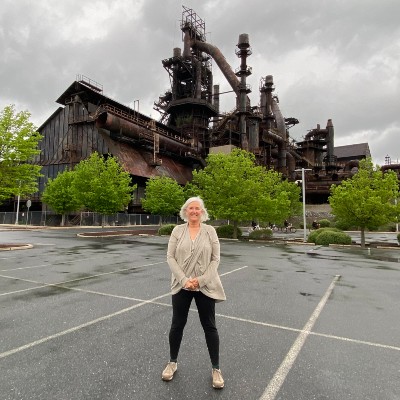
Of the most recent mystery, Julie Duke of Norcross identified the photo: “This is the old Bethlehem Steel buildings in Pennsylvania. My dad went to Lehigh University and majored in metallurgical engineering in the 40’s after World War II. My mom grew up in Nazareth, Penn. and that’s where they met. It has become quite the event space recently. These holy cities, Bethlehem and Nazareth were settled by the Moravians. Their Love Feast service on Christmas Eve is beautiful! My house is decorated with Moravian stars as my grandmother was Moravian. And we made all the delicious cookies and crumb pies for the holidays. Now we always buy Mrs. Haynes cookies from the Moravian Bakery in North Carolina.”
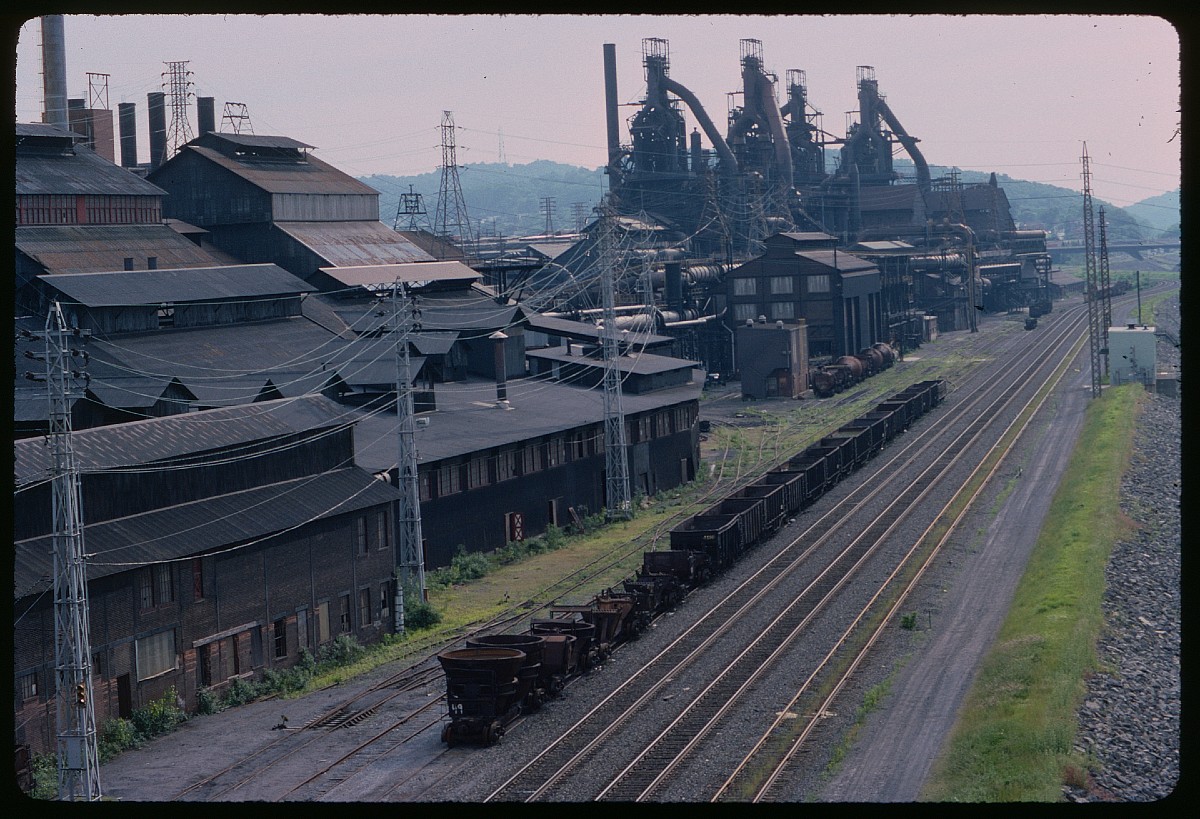 Jay Altman of Columbia, S.C. also recognized it: “The main event for Christmas 2025 at the former Bethlehem Steel site is the Christkindlmarkt Bethlehem, a large German-inspired holiday market held at the PNC Plaza at SteelStacks, a development on the old steel mill site. The market is set against the backdrop of the dramatically lit historic steel blast furnaces.”
Allan Peel of San Antonio, Texas, wrote: “The steel produced at the plant was used in numerous iconic American structures, including the Empire State Building, Madison Square Garden, and the Golden Gate Bridge. The plant’s primary steelmaking operations were suspended in the early 1980s, and the site has since been redeveloped into a cultural and entertainment campus called SteelStacks.
What makes this photo particularly relevant for today’s issue of the GwinnettForum is the fact that it was shot in Bethlehem, Pennsylvania. Although Bethlehem, Penn., is not officially a “sister city” to Bethlehem, Israel, it was founded by Moravian settlers in 1741 and named after the biblical birthplace of Jesus, the holy city for Christians, Muslims, and Jews. Known as ‘Christmas City, USA’ each year the city transforms into a holiday wonderland with German-inspired markets (Christkindlmarkt), historic tours (Bethlehem by Night), ice skating, festive lights (Lights in the Parkway), and unique shops like the historic Moravian Book Shop, offering a blend of Moravian history and modern holiday cheer that lasts well into January.”
Also spotting the photo were Stewart Ogilvie of Rehobeth, Ala.; George Graf of Palmyra, Va., and Howard Hoffman of Berkeley Lake.
- SHARE A MYSTERY PHOTO: If you have a photo that you believe will stump readers, send it along (but make sure to tell us what it is because it may stump us too!) Click here to send an email and please mark it as a photo submission. Thanks.
Riley speaks in Snellville Jan. 10
 A solo exhibit of the work of Chitra Ramanathan of Norcross, a teaching artist at Norcross Gallery and Studios, is now going on at the Pinckneyville Park and Recreation Center in Berkeley Lake through January 31, 2026. It is a retrospective, as some early works are included up to current ones, many large in scale.
Join award-winning author Vanessa Riley as she discusses her newest saga, Fire Sword and Sea, based on the life of the legendary 17th-century pirate Jacquotte Delehaye. This will be at the Snellville Branch of Gwinnett County Public Library on January 10 at 3 p.m. Books will be available for purchase and signing.
Small Business Book Club will meet at noon on January 12 at the Suwanee Branch of Gwinnett Public Library. Join us for insightful discussions and connect with like-minded entrepreneurs. This month’s selection is The Daily Entrepreneur by S.J. Scott and Rebecca Livermore.
GwinnettForum, which has been published online since 2001, is provided to you at no charge every Tuesday and Friday. The publication offers an online community commentary for exploring pragmatic and sensible social, political and economic approaches to improve life in Gwinnett County, Ga. USA. Learn more:
- Editor and publisher: Elliott Brack, 770-840-1003
- Mailing address: P.O. Box 1365, Norcross, Ga. 30091
- Work with us: If you would like to learn about how to be an underwriter to support the publication of GwinnettForum as a community resource for news and commentary, please contact us today.
Subscriptions to GwinnettForum are free.
- Click to subscribe.
- Unsubscribe. We hope you’ll keep receiving the great news and information from GwinnettForum, but if you need to unsubscribe, go to this page and unsubscribe in the appropriate box.
- © 2025, Gwinnett Forum.com.
