
By Elliott Brack
Editor and Publisher, GwinnettForum
JAN. 16, 2026 | The military often assigns “temporary duty” to troops. They move someone from their regular job, leaving the second-in-command in charge. Temporary duty can be short-term, though some assignments can be longer in time.
 The orders came to me from USAREUR in Heidelberg, Germany, via the Northern Area Command, to report to the Frankfurt rail station (bahnhof) on a certain date. I took a train from my station about an hour north of Frankfurt, and soon found the master sergeant, who was waiting for me.
After introduction, he had a clip board with an official paper on it. “Sign here,” he said.
“What am I signing for?” I asked. “The train,” he replied.
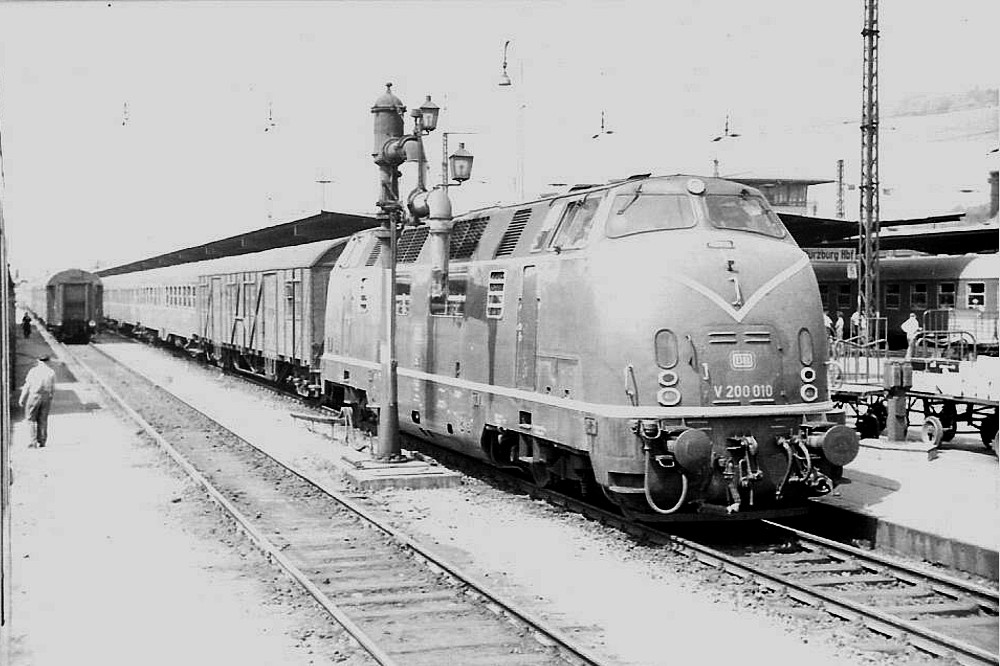
This German train was taking about 300 American soldiers from Frankfurt to Bremerhaven, to be boarded on a ship to take the men back to America. It was a military operation, a troop train, which was routine work for this master sergeant of the Transportation Corps. But as always, an officer (me a first lieutenant) was required to be the train commander.
There was one distinctive element about this military operation. The soldiers on the train had been court-marshaled for various military offenses, and all were being sent back to America to be dishonorably discharged from the Army. Members of the Military Police were on board to guard these prisoners. There was also a mess hall to feed those on the train two meals.
While the normal train travel time from Frankfurt to Bremerhaven was about six hours, this train was not a priority. We left about nightfall and were to arrive in Bremerhaven in mid-morning.
Meanwhile, the sergeant assured me that this was a routine duty for him, and he would keep me informed, but take care of everything. “Just enjoy the trip and the book you have brought along, “ he said. Later on that trip, at supper and breakfast, he brought a tray of food to the compartment. In general, I had a good night’s sleep as the “train commander.”
Shortly after awakening the next morning, the Master Sergeant knocked on the compartment.
“Sir, there has been a problem.” “What is it?”
“During the night when we passed through a long tunnel, the prisoners had become rowdy. Somehow, they got the idea to throw their mess trays out the window.”
“How many?” I asked.
“About all of them.”
Knowing nothing of such antics, I asked: “What do we do?”
The sergeant answered: “Nothing right now. What will happen is that the Northern Army Command in Frankfurt will start an investigation, which the Army calls a Report of Survey. Both you and I and the MPs will give sworn testimony about what we know of it. It’ll take several months to complete, from what I know of previous Reports of Survey.”
Later that morning, we pulled into Bremerhaven, alongside the military ship, and off-loaded the prisoners onto the ship. The sergeant had me sign some more papers, and provided me with a train ticket to return to my home station. He remained in Bremerhaven to take another train of soldiers, this time not prisoners, to their new duty stations.
About six months later came another letter from the Northern Area Command. Luckily, the results of the investigation relieved me from having to pay for those mess trays.
It was an unusual temporary assignment. Not every soldier gets to command a military train.
- Have a comment? Click here to send an email.
